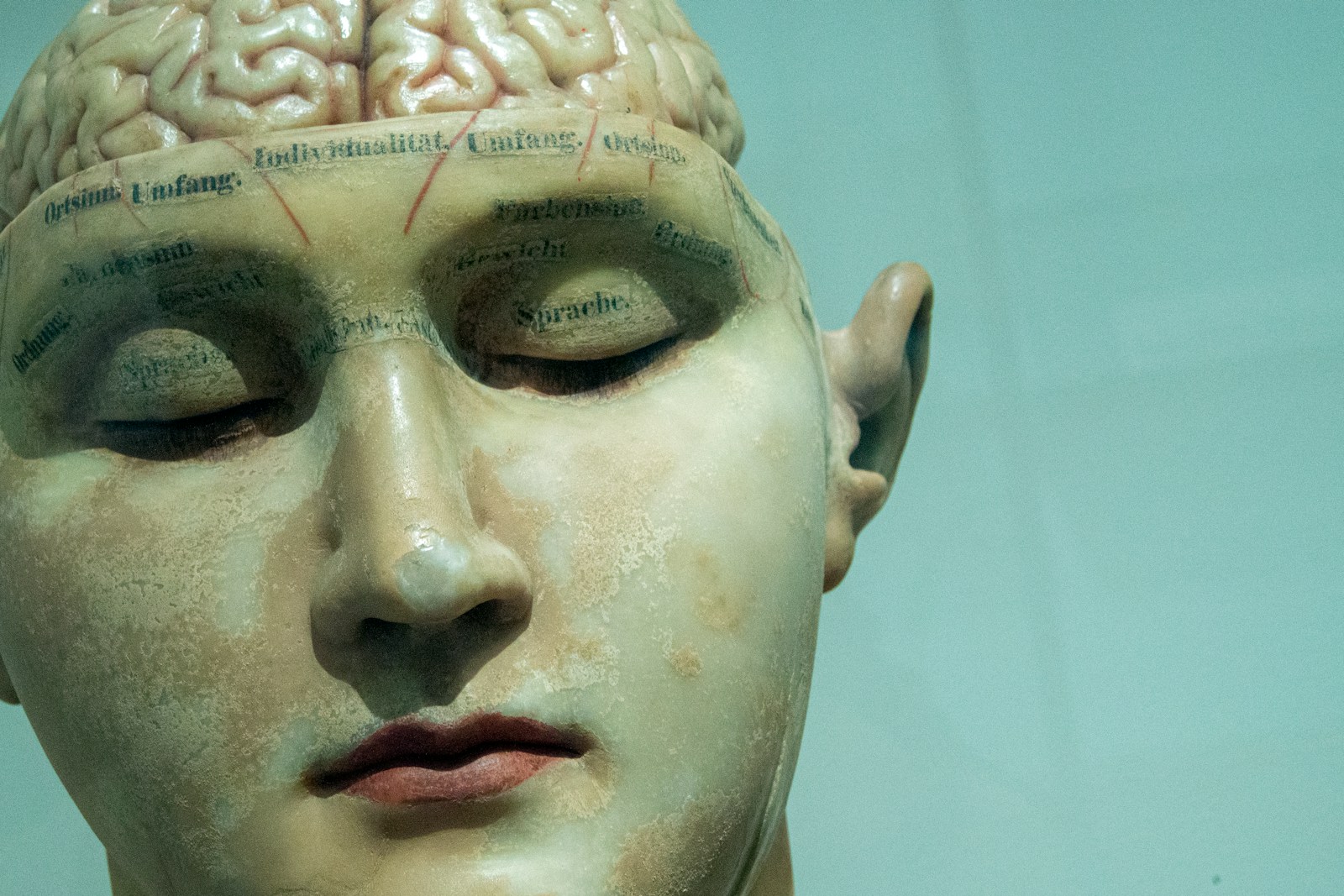
The statistics can be daunting. It is estimated that by 2030, 8.5 million older Americans are expected to have Alzheimer’s disease. About 1/2 million will develop it this year. Alzheimer’s is a memory robbing disease. Once brain cells die there is no turning back. The connections between neurons wither and the brain itself shrinks, memory worsens, thinking skills decline and managing everyday life becomes less and less possible. Our hopes for a treatment have felt more discouraging since across the pharmaceutical industry up to 90% of all experimental medicines that reach clinical trials never make it to market. This is because they either don’t work or they have bad side effects. Not a single new drug for Alzheimer’s was approved by the FDA for nearly 18 years. That is…until now. A breakthrough in Alzheimer’s disease has finally arrived!
A new medicine known as Lecanemab (Leqembi) was FDA approved last year that removes Alzheimer’s hallmark plaques from the brain and slows down memory loss. It is not a miracle drug and does not stop, reverse, or cure this disease. On average it can slow mental decline by 5 months over an 18-month treatment period. It does have its side effects such as brain swelling and bleeding, and costs $6636/year even with Medicare coverage. The main issue is that only patients with early stage symptomatic disease and confirmed high levels of amyloid plaque in the brain are candidates for Lecanemab. And that’s the rub…diagnosing Alzheimer’s disease can be very difficult let alone determining the stage a person is in to see if they qualify for this drug.
Brain scans have shown that 17-22% of participants in Alzheimers’ studies in the recent past did not have amyloid plaque and may not have actually had the disease. Failed drug trials from 2004-2021 didn’t test participants for the presence of amyloid plaques which means their cognitive problems may have been due to something else (brain damage due to head injuries, mild strokes, infections, environmental toxins, etc). It’s difficult to get a positive result when you have the wrong people in the trial.
Yet drug after drug developed to target the amyloid plaques failed to show any clear impact on the cognitive decline of patients, except for Lecanemab which is the first to show even modest success. This is an important approach but it is not the whole story.
New approaches to determine the cause and what triggers Alzheimer’s is getting more attention and giving more researchers hope. The major focus has long been targeted at removing amyloid plaques- globs of protein in the brain that was first spotted in 1906 by a German Psychiatrist Alois Alzheimer. It seemed to be the defining feature of most Alzheimer’s patients. Yet drug after drug developed to target the amyloid plaques failed to show any clear impact on the cognitive decline of patients, except for Lecanemab which is the first to show even modest success. This is an important approach but it is not the whole story.
More human trials are under way on drugs designed to reduce inflammation, protect synapses (parts of brain cells that communicate to each other) and improve brain metabolism (processing sugar better). At the University of California San Franciso (UCSF), a study called the Alzheimer’s Tau Platform recently won a $151 million grant from the NIH to test 2 anti-tau drugs plus an anti-amyloid drug that will be given together to 900 people with early stage disease. Tau tangles are globs of protein that form inside the brain cells themselves. These tangles seem to mirror much closer to the cognitive symptoms people have, so neutralizing them may be one approach to treatment. One medicine attracting a lot of attention is called BIIB080. A trial at the University College London showed successful removal of tau tangles from brain cells in a human study.
Another approach to target the culprits of Alzheimer’s is improving blood sugar processing in the brain. The brain is only 3% of body weight but uses 20-25% of the bodies energy, mostly glucose. Those that have insulin resistance (trouble absorbing blood glucose) which increases with age, can deprive the brain of its energy source and cause neurons to die. Finnish researchers launched a study that combined healthy lifestyle changes and a diabetes drug, Metformin. The study will look at these modalities in people at risk for Alzheimer’s and dementia who do not have memory problems.
Controlling neuroinflammation is at the forefront of new treatment ideas for Alzheimer’s. Chronic inflammation is one of the primary drivers of Alzheimer’s. Special immune cells in the brain known as microglia are responsible for patrolling the brain and gobbling up scraps of amyloid protein waste before it can cause trouble. They normally work like trash trucks. But if they get overwhelmed by inflammation, the microglia pump out chemicals called cytokines which damage nerve cells (neurons) and synapses, reducing communication between the cells. When cells are damaged by cytokines, microglia start producing more inflammation. You get more damage and more inflammation. It’s a vicious cycle. This may be why aging, head injuries, stroke and other brain insults increase the risk for Alzheimer’s and other dementias. Anti-inflammatory drugs are currently in clinical trials that block microglia from overproducing inflammatory compounds without stopping their normal trash clean up duties.
The difficulty in diagnosing Alzheimer’s accurately has long hindered scientists’ ability to study the disease. Current tools are either too expensive (Positron emission tomography- PET scan) or too invasive (lumbar puncture). New blood tests that measure amyloid and tau in the brain are on the horizon. This can show not just how much amyloid is in the brain but whether it is triggering the explosion of tau that significantly destroys thinking and memory.
41% of Alzheimer’s and related dementias were attributed to a dozen modifiable risk factors, including high blood pressure, obesity and physical inactivity
People need to know what their risk factors for Alzheimer’s and other dementias are. For all the deep science that surrounds the treatment of Alzheimer’s, one of the most important weapons is prevention through healthy living. Alzheimer’s resembles heart disease, diabetes and other chronic conditions associated with aging. Yes, there is a genetic component, but 41% of Alzheimer’s and related dementias were attributed to a dozen modifiable risk factors, including high blood pressure, obesity and physical inactivity. These are also risk factors in heart disease and diabetes. What’s good for the heart is also good for the brain. Other strategies include getting good sleep, a healthy gut microbiome, treating depression, socializing and to quit smoking.
Over the next 5 years, scientists anticipate more breakthroughs: convenient blood tests to diagnose Alzheimers in your doctor’s office, a variety of drugs that can attack the disease on many different fronts, and customized lifestyle strategies that will become standards of care. Within 10 years we may see Alzheimer’s handled in your doctor’s office much the same way heart disease and diabetes are now- diagnosed through blood testing and treated with a combination of drugs and healthy lifestyle strategies. Ideally, instead of a terminal disease, Alzheimer’s could become treatable, preventable and even reversible!
References: Leigh, S. $151 Grant will Drive New Era in Alzheimer’s Treatments. UCSF Research, Oct 12, 2023.
Harrar, S. Alzheimer’s: New Learnings, Rising Hope. AARP Bulletin March 2024. pp 12-18.
Bateman, R. Washington University School of Medicine in St. Louis. Dept of neurology: Bateman Lab. https://batemanlab.wustl.edu/