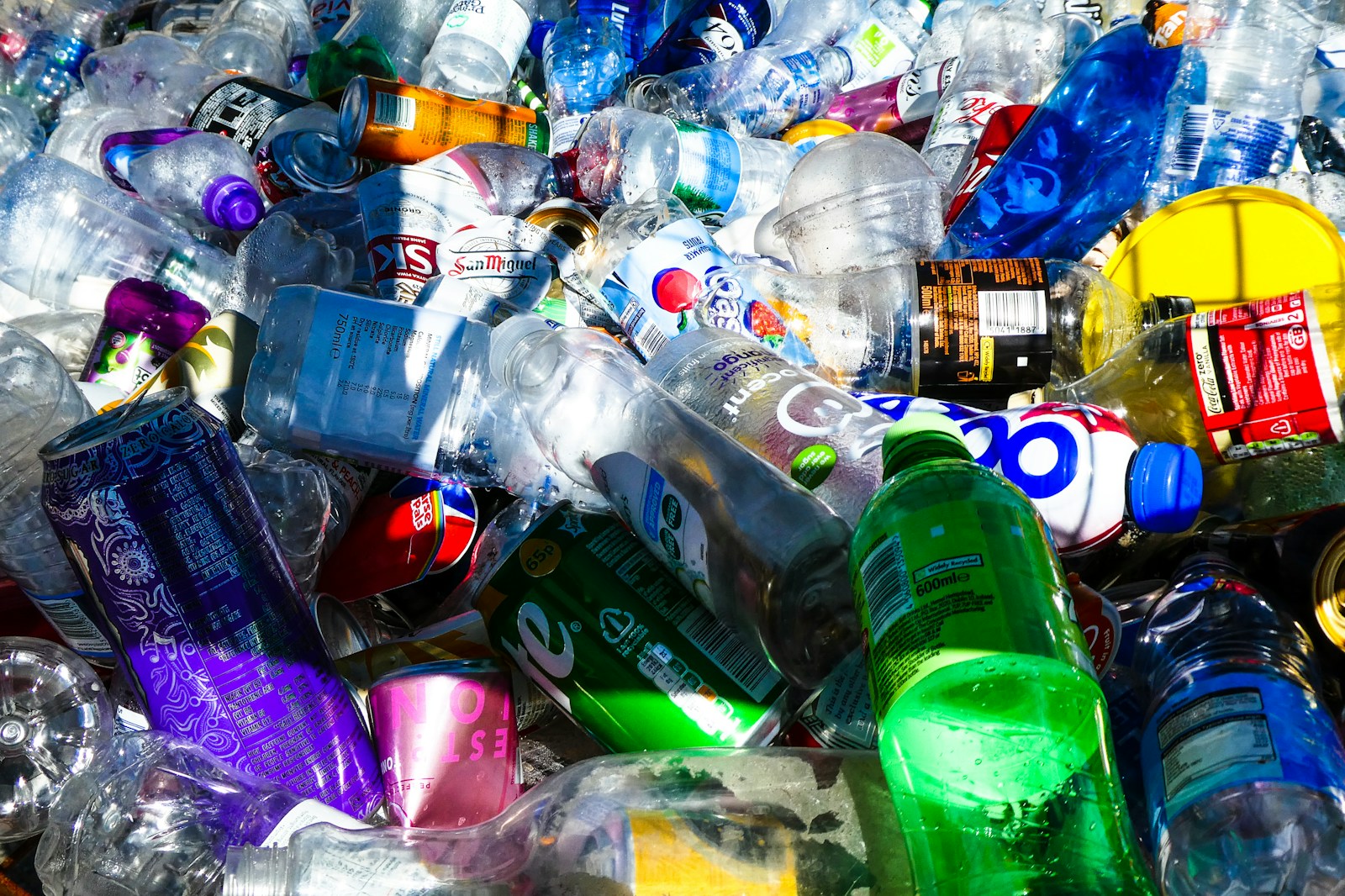
 Visible macroplastics such as bottles and plastic bags is something we can’t live with but can’t live without. They are found in disposable consumer products (food wrappers, packaging, straws, cups, plastic bags and make-up), everyday household items (plastic bottles, tubs and jars, synthetic clothing, like yoga and exercise clothing) and industrial and agricultural equipment (fishing gear, nets, pipes, building materials and insulation, car tires). So whats the big deal and what do macroplastics have to do with our health?
These plastics litter our environment and ultimately break down into invisible microplastics and nanoplastics (MNP’s). These tiny bits of plastic can be as small as 5 millimeters (pencil-top eraser) or smaller. Plastic particles smaller than 1 micrometer are generally referred to as nanoplastics (width of a spider web). Some of these products have been used intentionally in artificial turf, cosmetics, fertilizers and detergents, while others are the end products of wear and tear over time such as synthetic rubber tires, clothing and other textiles. All plastic wears down over time and and these fragments have been found in Arctic snow, pristine Hawaiian beaches and inside the blood and tissues of many people.
So here is when it becomes a problem for human health. Research shows that having these tiny fragments of plastic in our blood or body tissues is linked to cardiovascular disease (found in carotid plaque). Microplastics in the colon have been linked to bowel disorders. These plastics have even shown to cross over to many important barriers in the body including the placenta and the blood-brain barrier. This can effect newborns and evidence has even shown concentrations in the brain that were 7-30 times higher in dementia patients than in other organs when a team of researchers from New Mexico examined autopsy specimens in 2016 and again in 2024. Yikes!!
Another note is that researchers have found that hazardous contaminants in the environment frequently adhere and accumulate on microplastics. These include pesticides, polycyclic aromatic hydrocarbons (PAHs) which can be generated in wildfire smoke and PCB’s which were banned long ago because of their high carcinogenic properties but are still present in the environment. These substances have a significant impact on women’s health in that these are known as endocrine disruptors or Xenoestrogens. This has been linked to breast and uterine cancers, ADHD, pre-term birth and premature breast development in girls and abnormal breast development in boys as well as infertility.
The biggest concern is that these microplastics are not going anywhere. Levels of MNP’s in the environment have been rising exponentially during the past 2 decades. There has been a rapid rise in the concentration in human autopsy tissues in just 8 years between 2016 and 2024.
And then there are PFAS’s (per-and polyfluoroalkyl substances) which are a large group of chemicals used widely in industrial applications like flame retardants, nonstick pans (Teflon), paper (like your grocery receipts and tea bags) and textile coatings. These are referred to as “forever chemicals” because of their strong carbon-fluorine bond. Once these are made they are very difficult to destroy and could persist in the environment indefinitely. They can be added to and can be found in some plastic products but they are not plastic. Instead, they are added to products made of paper, cardboard, cloth or metal. PFAF’s are commonly found in food packaging that is grease-proof, nonstick pans, water and stain resistant clothing and furniture, easy gliding dental floss and fire-fighting foam to name a few.
In the U.S, Some of these PFAS chemicals are no longer manufactured (there are thousands of chemicals in this family) but they are still found in many products including food packaging and milk. Materials produced overseas may contain them or they just persist in the environment long after they are phased out. The EPA announced limits on certain PFAS’s in drinking water for the first time ever. They estimate that 6-10% of water utilities will need to take action to remediate PFAS contamination.
PFAS has been linked to impaired immunity, thyroid disease, high cholesterol, various cancers, metabolic changes, liver damage ad kidney disease. They are really hard to avoid. Not only are they so widely used in products but they have contaminated our water and food supplies. It is time to intensify study of potential health threats associated with MNP’S AND PFAS’s. For more information check out “Organic Consumer Association“.
References: Loria, K. What’s the difference among microplastics, Phthalates, BPA and PFAS? Consumer Reports. May 29, 2024.
Nihart AJ, et al. Bioaccumulation of microplastics on decedent human brains. Nat Med 2025. Feb 3; [e-pub].
Gillam, C. New maps reveal 73 Million people exposed to PFAS in U.S. drinking water above EPA standards. Organic Consumer Association, Organic Bytes. Newsletter #904.