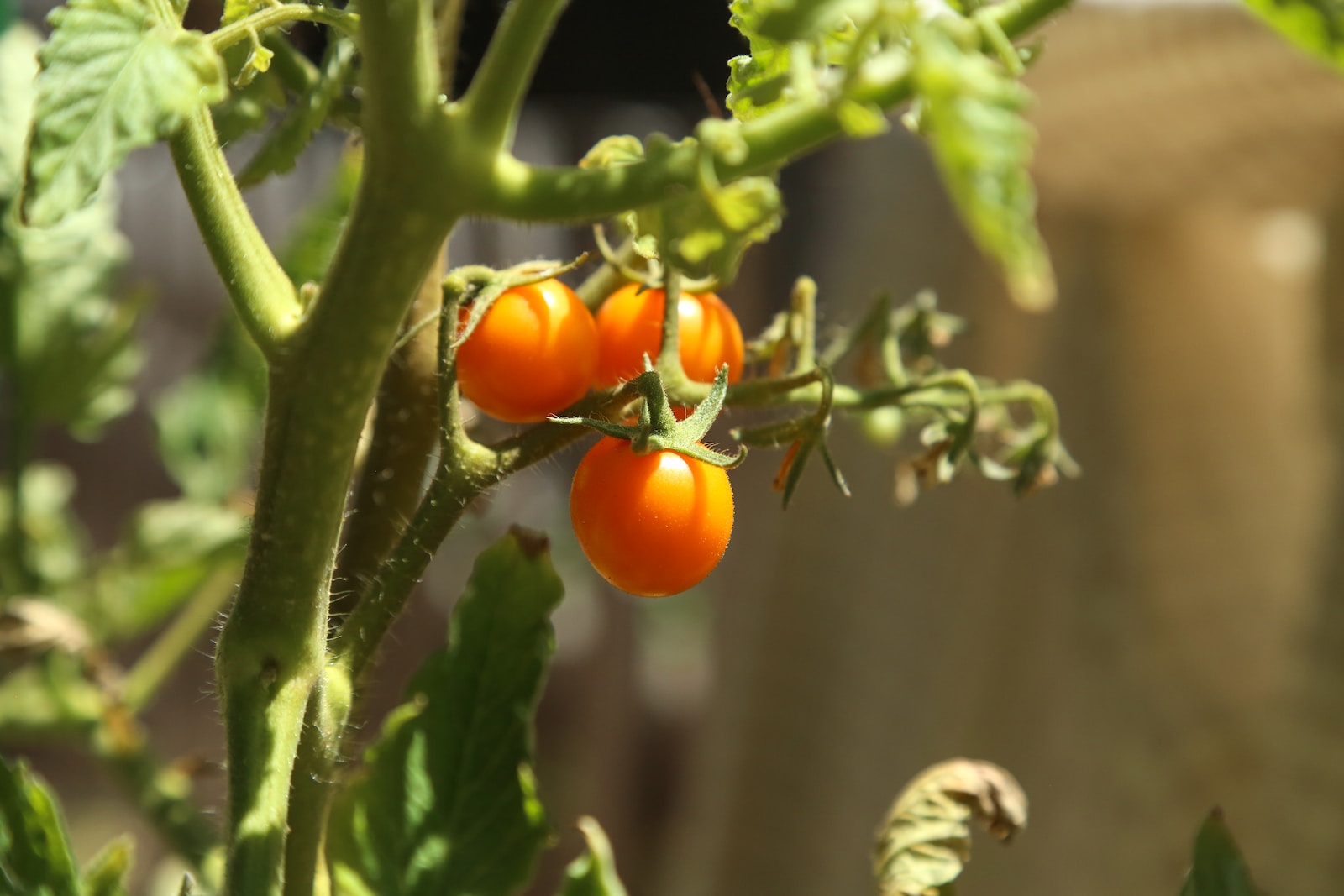
Tomatoes can help reduce blood pressure. An exploratory analysis of the PREDIMED trial (large primary prevention trial studying the effects of the Mediterranean diet on cardiovascular disease) involving over 7000 participants with hypertension was done to evaluate the relationship between high consumption of tomato based products and blood pressure. Intake of over 110 grams/day (about 4 oz) of tomato’s was associated with a 36% reduced risk of hypertension compared to minimal consumption (<44 gms/day).
Researchers propose that the high lycopene content may be the main factor benefiting blood pressure. About 85% of lycopene intake comes from tomato based products. Lycopene is an antioxidant and can mop up free radicals. Free radicals are molecules that are missing one electron, so they are unstable. They try to steal an electron from different tissues such as endothelial cells, enzymes or from your DNA which can cause damage, such as cancer.
Because Lycopene mops up these free radicals, there’s less stealing of electrons from the endothelium so there’s less damage and less vasoconstriction of blood vessels. This can lead to less hypertension. The authors also noted that lycopene inhibits the angiotensin-converting enzyme (ACE) and its gene expression. This renin-angiotensin-aldosterone system has a major effect with vasoconstriction. Reducing the activity of this system benefits the cardiovascular system which is why ACE inhibitors and angiotensin receptor blockers are used in treating hypertension.
Here are some food sources of Lycopene. In the study, they converted the amount of tomatoes to the amount of actual lycopene. So don’t start consuming 100 gms of ketchup. The highest groups ate 5.4 mg of Lycopene daily which benefited their blood pressure. Try to eat more fruits and vegetables including more foods with lycopene.
Reference: Imran M, Ghorat F, Ul-Haq I, et al. Lycopene as a Natural Antioxidant used to Prevent Human Health Disorders. Antioxidants (Basel). 2020, 9(8): 706.